A Friendly Guide to LGBTQ Social Outings in London
There is a big difference between being invited somewhere and feeling that you can genuinely turn up as yourself. A good guide to LGBTQ social outings starts there: not with pressure to be the most outgoing person in the room, but with practical ways to find plans where conversation, connection and enjoyment can happen naturally.
For many people, a social night out is not difficult because there is nothing to do. It is difficult because the small questions add up. Will anyone be welcoming? Is it all couples? Will I spend the whole evening standing alone? Do I need to know people already? A well-organised LGBTQ+ outing gives those questions less room to take over, so you can focus on the show, the people and the fun of being out.
Choose the kind of social outing you actually enjoy
LGBTQ+ social life does not have to mean a late night in a loud bar. For some people, that is exactly the right setting. For others, a theatre performance, a relaxed drink before a matinee, a group meal or a weekend getaway offers a much easier route into meeting people.
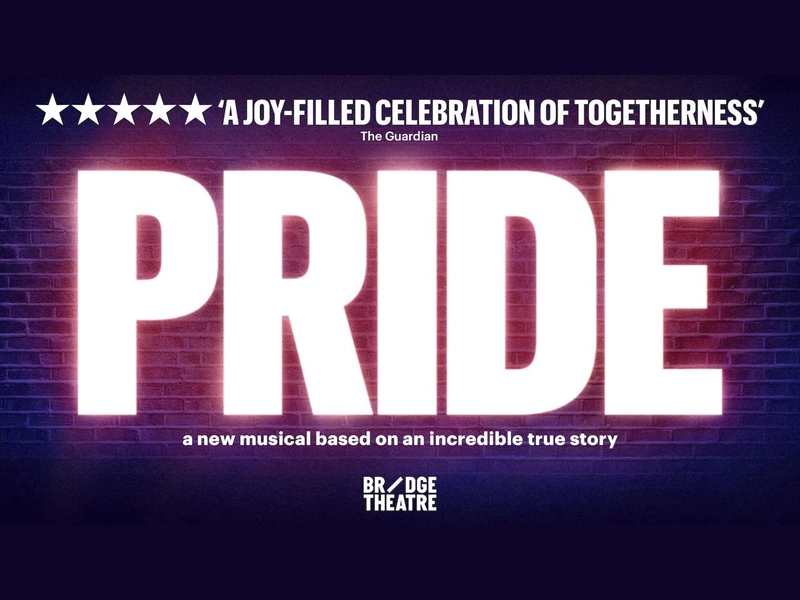
Start with your interests rather than what you think you should enjoy. Shared activity takes the strain out of making conversation. If you are all about to see a musical, there is an immediate topic before the curtain rises and plenty to talk about afterwards. You are not expected to invent a reason to speak to someone from scratch.
The format matters too. A large party can be exciting, but it may feel overwhelming if you are attending alone for the first time. A smaller hosted group can be more comfortable, especially when there is a clear meeting point and a friendly organiser who introduces people. Neither option is better in every case. Think about whether you want high energy, a calm pace, a chance to chat in depth, or simply company while enjoying something you already love.
Why structured events make meeting people easier
The most successful LGBTQ social outings usually have a little structure behind them. That does not mean forced icebreakers or a rigid timetable. It means someone has thought through the details that make an evening feel straightforward.
A clear plan tells you where to meet, what time to arrive and what happens next. A host can welcome new faces, help groups mingle and make sure nobody is left trying to work out where they belong. When the event includes an activity, such as going to the theatre, the evening has a natural rhythm: meet, chat, enjoy the performance, then share reactions afterwards.
This is particularly useful if you have moved to London, are newly single, have friends who are busy with family life, or simply want to widen your circle beyond the same familiar faces. You do not need to arrive with a ready-made group. That is the point of joining one.
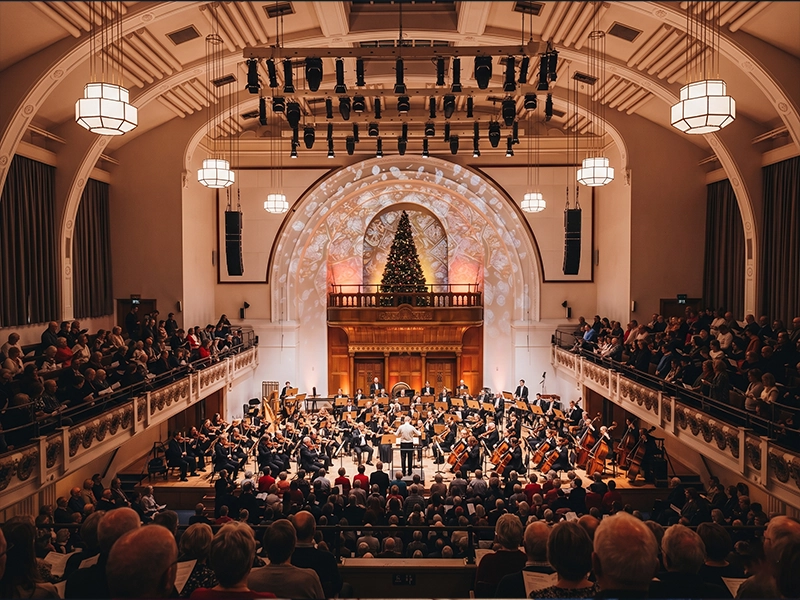
At West End Outings, the theatre ticket is part of the experience, not the whole thing. The pre-show meet-up and the chance to get to know fellow members turn a trip to the West End into a sociable evening with a purpose. For people who love theatre but do not always have someone to go with, that can make a real difference.
Give yourself an easy first conversation
You do not need a polished introduction. A simple question works far better than trying to be memorable. Ask whether someone has seen the show before, what they are looking forward to, or whether they have been to one of the group’s events previously. If you are new, saying so is often a useful opening rather than an awkward admission.
It also helps to arrive close to the stated meeting time. Turning up early can give you a quieter moment to meet the host, while arriving very late can make it harder to join a conversation that has already formed. If travel is unpredictable, let the organiser know. Good hosts understand that London journeys do not always go to plan.
Look for inclusion in the practical details
A welcoming event is not only defined by rainbow branding. The practical choices matter. Is the location clearly communicated? Is there a named host or contact point? Are solo attendees explicitly welcome? Is the group’s tone respectful of different identities, ages, relationship statuses and ways of socialising?
LGBTQ+ communities are not one single crowd. A social that feels ideal for a 25-year-old looking for a packed dancefloor may not suit an over-50s theatre lover who would rather chat over a drink. Some people want events centred on queer culture; others prefer inclusive mixed groups where being LGBTQ+ is accepted without becoming the only topic of conversation. Both can be valuable.
Pay attention to the information provided before you book. A short but clear event description can tell you a lot: the expected group size, the venue, whether drinks or food are involved, how long the outing will last and whether there is a host. If something is unclear, asking is sensible. Feeling informed before you arrive is part of feeling relaxed when you get there.
Respect makes a social group work
The best group environments leave space for people to share what they want, when they want. Do not make assumptions about somebody’s pronouns, partner, gender identity or whether they are out in every part of their life. Take the lead from the language people use about themselves.
The same goes for photographs and social posts. A group photo may be a lovely memento for one person and something another would rather avoid. Ask before taking or sharing pictures, particularly when names or locations are attached. Small acts of consideration help build the trust that allows a community to feel genuinely welcoming.
If someone seems quiet, a warm hello and an open question can help. But give people room, too. Inclusion is not about making everybody behave in the same way. Some people will stay for post-show drinks; others will head home after the curtain call. Both are fully part of the outing.
Make the evening work for your budget and energy
A great social plan should not leave you stressed about either money or stamina. Theatre, travel, food and drinks can add up quickly, so it is worth choosing events that set out costs clearly. Group ticket access and membership benefits can make regular outings more affordable, but decide what suits your own budget before committing.
You can also make your own version of a complete evening. Perhaps you join the pre-show meet-up but skip the after-show drinks. Perhaps you eat before travelling in, or choose a matinee that gets you home earlier. There is no prize for staying until the end if you are tired or the evening is no longer working for you.
Alcohol deserves a practical mention. A drink can make some people feel more relaxed, while for others it makes socialising harder, more expensive or less comfortable. Choose events where drinking is an option rather than the entire activity, and where non-drinkers are not made to feel as though they are missing the point. Theatre-led and activity-led socials are often a good fit because the shared experience does not depend on what is in your glass.
Turn one outing into a real social rhythm
Friendships rarely appear fully formed after one evening, even when you have had a brilliant time. The pressure to make an instant best friend can make a perfectly enjoyable event feel like a test. Treat your first outing as a chance to get familiar with the group, the host and the format.
Returning is where recognition starts to grow. You may see someone you spoke to briefly at a previous show, remember their favourite performer, or find that a chat becomes easier the second time around. Regular events create those low-pressure opportunities to reconnect without the formality of arranging a one-to-one meeting immediately.
If you did click with someone, a simple follow-up is enough. Say it was lovely to meet them, mention a moment from the evening, or ask whether they are going to a future event. Keep it light. The aim is not to force a friendship but to leave the door open.
A guide to LGBTQ social outings begins with one plan
You do not have to become a different kind of person to enjoy a more social life. You only need an outing that gives you a comfortable reason to show up. Choose something you would enjoy even if the conversation is slow at first, know the plan before you go, and let the shared experience do some of the work.
The right group will make room for your excitement, your nerves and your own pace. Pick a show, join the meet-up, say hello to one person and see where the evening takes you.