Theatre Membership Versus Ticket Booking
Some theatre decisions happen in seconds. You spot a show you fancy, find a seat, book it, and that is that. But theatre membership versus ticket booking is not really about how fast you can check out. It is about what kind of night you want, how often you go, and whether you are only buying a seat or looking for something more social and supported.
For some people, booking a one-off ticket is exactly right. If there is one particular musical you have been waiting months to see, or you only go to the theatre now and then, the freedom of a single purchase makes sense. For others, especially those who enjoy regular nights out and would rather not do all the planning themselves, membership can be a much better fit.
The difference matters because the theatre itself is only part of the evening. There is also the cost, the effort of organising plans, the question of who to go with, and the confidence it takes to turn up alone if you do not have someone free. That is where the gap between the two options becomes much clearer.
Theatre membership versus ticket booking: what is the real difference?
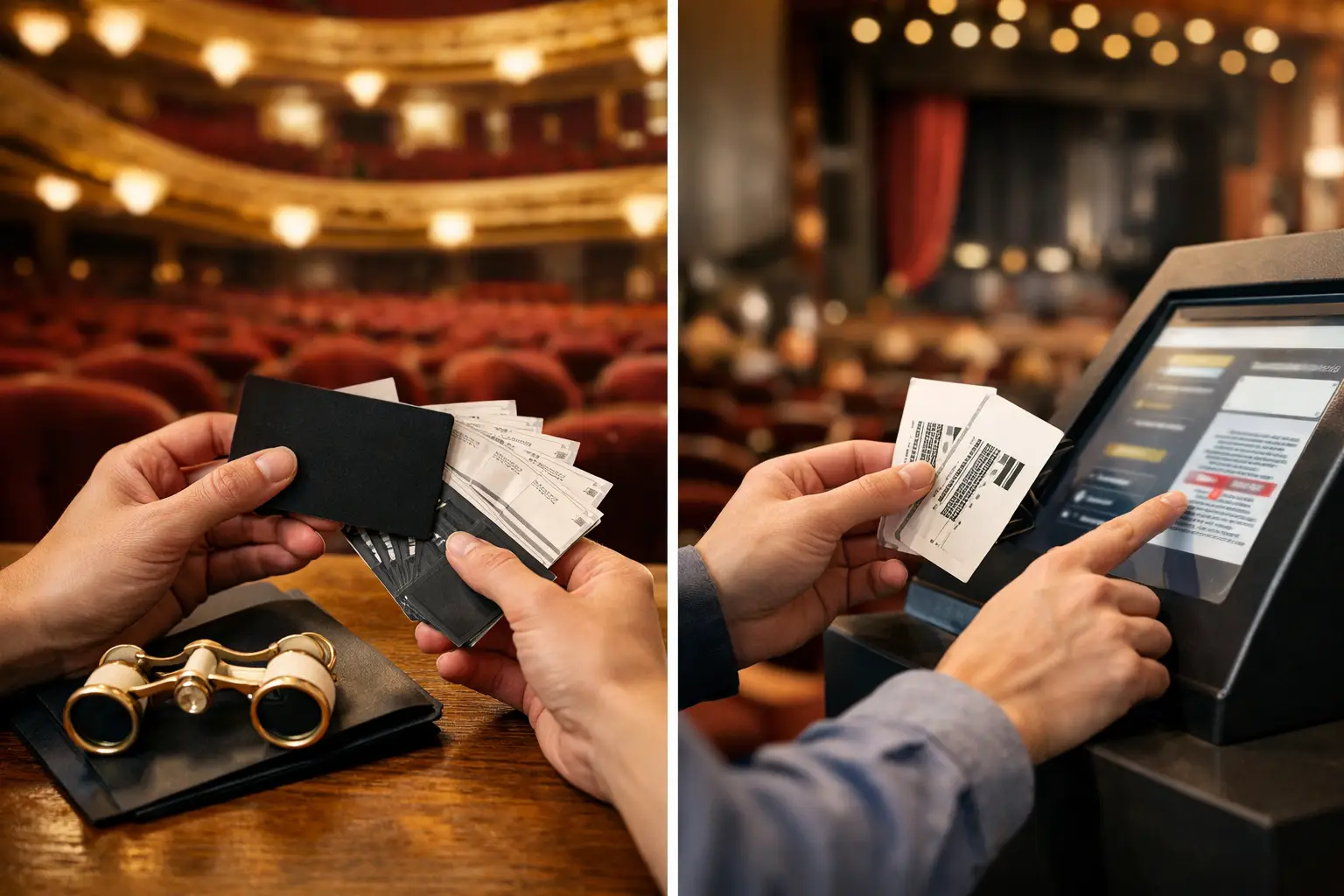
Standard ticket booking is simple. You choose a performance, select your seat, pay, and attend. It is transactional, which is not a criticism. Sometimes that is all you need.
Theatre membership usually works differently. Rather than starting from a single show, it starts from an ongoing relationship. You join a club or community and gain access to organised outings, member rates, event communication, and a more structured experience around the show itself.
That difference changes the value. A booked ticket gets you into the auditorium. A good membership can help shape the whole evening, from how you choose events to how comfortable you feel attending them.
This is particularly relevant if you enjoy the West End but do not want every visit to feel like admin. Comparing dates, checking availability, chasing friends, choosing where to meet beforehand, and hoping the evening comes together can take more energy than people admit. Membership can remove a lot of that friction.
Cost is not just about the ticket price
It is easy to assume that ticket booking is cheaper because you only pay when you want to go. In some cases, that is true. If you attend one or two shows a year and prefer complete freedom, paying as you go may well work out better.
But frequent theatre-goers often find that one-off booking adds up quickly. Prices can fluctuate, popular dates can cost more, and last-minute plans do not always lead to the best seats or best value. Membership models can help smooth that out, especially when they include access to discounted theatre nights or negotiated group rates.
There is also the wider cost of the evening. A theatre trip rarely ends with the ticket. There may be drinks beforehand, travel, and the small but real cost of convenience if you are arranging everything yourself. When an outing is already organised, with details communicated clearly and the social side built in, the value can feel stronger even if the comparison is not simply pound for pound.
What matters most is whether you are paying only for entry or paying for ease, consistency, and the chance to go more often without reinventing the wheel each time.
Flexibility versus structure
This is where theatre membership versus ticket booking really becomes a matter of personality.
Ticket booking gives you total control. You can choose any show, any date, any seat category that suits your budget. If you are highly specific, perhaps only interested in certain productions or only free at unusual times, that flexibility is useful.
Membership asks for a different mindset. You are trusting someone else to curate options and shape the outing. For many people, that sounds less flexible on paper but feels easier in real life. Instead of facing endless choices, you receive planned events that are ready to join.
That structure is especially helpful if decision fatigue gets in the way. Plenty of adults want to go out more but end up staying in because arranging something from scratch feels like too much effort after a busy week. Having an organised theatre night on the calendar can make social plans far more likely to happen.
Of course, structure is not ideal for everyone. If you only want front-row seats for major opening nights, or you prefer entirely private evenings, membership may feel too guided. But if you like the idea of turning up knowing the details have been handled, the structure is often a relief rather than a limitation.
The social factor changes everything
A ticket does not solve the question of company. That is often the biggest difference between a one-off booking and a membership-led outing.
Many people love theatre but do not always have someone available to go with. Friends may have different budgets, different tastes, or simply different schedules. Some people are perfectly happy attending alone, but many would enjoy it more with a bit of shared conversation before the curtain goes up.
This is where membership can offer something ticket booking cannot. An organised social group makes the evening feel more relaxed from the start. You are not just walking into a venue and finding your seat. You are joining a hosted event where meeting people is expected, easy, and low pressure.
That matters for solo attendees, but not only for them. It also matters for anyone who wants their social life to feel more natural. Theatre can be a brilliant way to connect because there is already something to talk about. The show gives the evening its shape, and the social element grows around it.
For brands like West End Outings, that is the whole point. The outing is not treated as a simple ticket sale. It is designed as a shared evening, with pre-show drinks, meet-ups, and a welcoming environment that helps people settle in without feeling awkward or left to fend for themselves.
Safety, comfort and confidence matter more than people think
Not every theatre-goer wants the same atmosphere. Some people are looking for lively mixed socials. Others feel more comfortable in themed groups or spaces that reflect their identity or stage of life. That can include LGBTQ+ events, women’s socials, or over-50s gatherings.
A standard booking platform cannot really offer that. It can sell you a seat, but it cannot create a sense of belonging. Membership-based social outings can.
This is not about making theatre complicated. It is about recognising that comfort affects whether people actually go out. If you know an event will be friendly, structured and inclusive, it becomes much easier to say yes. That confidence is valuable, especially if you are returning to socialising after a quieter period, moving to a new area, or simply tired of environments that feel cliquey or hard to read.
For many adults, the best night out is not the most glamorous one. It is the one where they feel at ease.
When ticket booking is the better option
It would be unrealistic to pretend membership suits everyone. Sometimes booking a single ticket is the smarter choice.
If you only attend the theatre occasionally, want complete control over each decision, or are booking for a partner, family member, or existing group, you may not need the extra layer that membership provides. The same applies if your main priority is one specific production on one specific date.
There is also a simple financial point. If you are unsure how often you will go, a membership may feel like too much commitment. In that case, starting with standard booking is perfectly reasonable.
The key is being honest about your habits. If theatre is an occasional treat, keep it simple. If it is something you wish you did more often, it may be worth looking at why that is not already happening.
When theatre membership makes more sense
Membership tends to suit people who want theatre to be part of their regular life rather than an occasional scramble. If you like the idea of more nights out, better value over time, and less effort spent planning, membership can shift theatre from an aspiration into a routine.
It also makes sense for people who are not only buying entertainment. They are looking for community, conversation and a reason to get out of the house. That is especially true for solo attendees and anyone who wants to meet like-minded people in a setting that feels easy rather than forced.
The best memberships do not just promise discounts. They create continuity. You start recognising faces, trying different shows, and feeling that your social life has a shape to it. That ongoing sense of connection is hard to replicate with occasional individual bookings.
Choosing what fits your life now
A lot of people frame this as a straight cost comparison, but that is only part of the story. Theatre membership versus ticket booking is really a question of what helps you enjoy theatre more often and with less hassle.
If freedom matters most, book the ticket. If support, sociability and regularity matter more, membership may be the better route. Neither choice is automatically better. It depends on whether you want a seat for one night or a simpler, friendlier way to make theatre part of your life.
The best option is the one that makes it easier to say yes to a good evening out.