Social Outings for Over Fifties That Work
Some social plans look good on paper and feel hard work in real life. A noisy bar, a last-minute booking, a group that already seems to know each other – none of that makes social outings for over fifties feel especially inviting. What tends to work better is something with a clear plan, a shared interest and enough structure to help conversation happen naturally.
That is often the difference between an outing you enjoy once and a social habit you actually want to keep. For many people over fifty, it is not a lack of interest that gets in the way. It is the effort of arranging everything, the uncertainty of whether you will feel comfortable, and the thought of turning up to an event where everyone else already has their place.
Why social outings for over fifties matter
By this stage of life, people are often juggling a different set of priorities. Work may be changing, retirement may be approaching or already underway, children may have grown up, and friendship circles may have shifted. Some people have more free time than they did before. Others have less patience for social plans that feel awkward, forced or exhausting.
That is why the best outings are not simply about filling the diary. They offer enjoyment, yes, but they also create connection in a way that feels easy and adult. You are not looking to be packed into a room and told to mingle. You are looking for a good evening, some shared conversation and the chance to meet people without pressure.
There is also something reassuring about doing this around an activity. A theatre trip, a gallery visit, a guided walk or a supper club gives everyone a natural starting point. You are not expected to make instant friends from thin air. You already have something to talk about.
What makes a good social outing at this stage of life
Not every event described as social is genuinely welcoming. Some are too loud. Some are too cliquey. Some ask you to do all the emotional legwork yourself. A better option is one that balances independence with support.
That usually means knowing what the evening involves before you arrive. It helps to have a meeting point, a host or organiser, and a format that allows people to settle in gradually. Pre-show drinks, introductions, small group conversations and a shared activity all make a difference. They remove that feeling of being left to fend for yourself.
Good social outings also respect the fact that people have different comfort levels. Some want to chat from the moment they arrive. Others prefer a slower start. A well-organised event leaves room for both.
The outings people actually come back to
The simplest test of a good social event is whether people want to do it again. Repeat attendance usually comes from a mix of enjoyment, ease and familiarity.
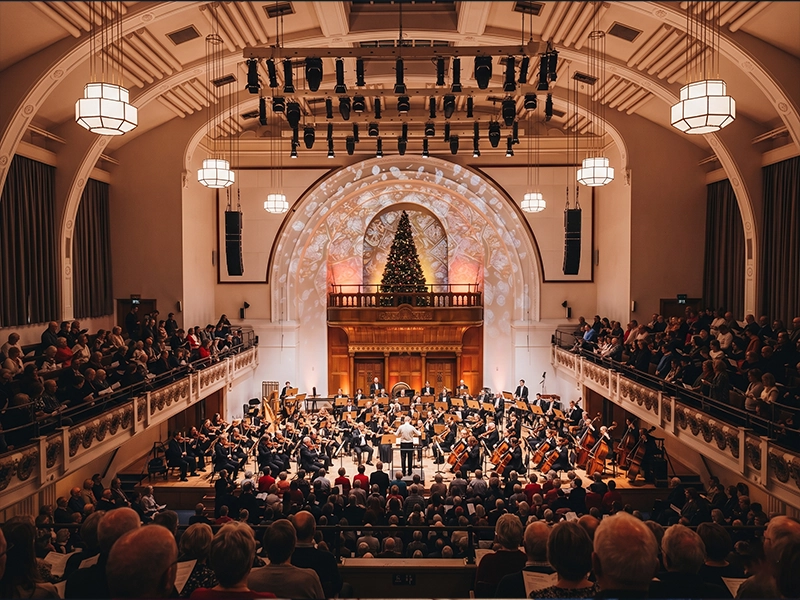
Theatre is a strong example because the evening has a natural shape. You meet, have a drink, chat a little, see the show and often continue the conversation afterwards. There is no need to carry the whole night through small talk alone. The performance gives the group a shared experience, and that makes connection feel more natural.
That is one reason organised cultural outings can work so well for over-fifties groups. They feel like a proper night out, not a contrived social exercise. You are there to enjoy yourself first, and the friendships tend to build around that.
Meals out, cinema trips, daytime events and short breaks can all work too, but it depends on how they are arranged. A large dinner with no structure can be harder than a smaller event with an easy flow. A trip that sounds appealing may still feel daunting if nobody explains how the group works. The details matter more than people sometimes realise.
Why structure helps without making things formal
Some people hear the word organised and worry it will feel stiff. In reality, a bit of structure is often what makes an evening relaxed.
If you know where to go, who to look for and what happens next, you can spend less energy feeling self-conscious. That is especially useful if you are attending alone, which many people do. Turning up solo should not mean feeling stranded.
Structured socials also make it easier to include a wider mix of people. New members are not left hovering at the edge. Regular attendees can still enjoy the evening without feeling responsible for hosting everyone themselves. When it is done well, the organiser quietly carries the practical side so the group can focus on enjoying the event.
For a business like West End Outings, that is a big part of the appeal. The evening is not just about getting hold of a theatre ticket. It is about creating a social setting where members can relax, feel looked after and enjoy the company as much as the show.
Choosing the right kind of social group
If you are looking into over-fifties outings, it is worth being honest about what you actually want. Some people want a broad social circle. Others want one or two familiar faces and a pleasant routine. Both are valid.
A general social group may suit you if you enjoy variety and like meeting different people each time. A themed group can be better if you want some common ground from the start. That might mean theatre lovers, women-only events, LGBTQ+ meetups or a specific age-focused gathering. The point is not to narrow your world. It is to remove a bit of friction at the beginning.
There is no perfect formula. Some people thrive in mixed groups with a wide age range. Others feel more at ease with peers who are at a similar life stage. It depends on personality, confidence and what sort of evening you enjoy.
How to tell if an outing will feel comfortable
Before booking anything, look at the signs that an event has been designed with people in mind rather than simply sold as a space to turn up. Is it clear where you will meet? Does the organiser explain how the social part works? Is there any mention of hosts, introductions or group size? Do you know whether the evening is mostly seated, mostly standing or spread across different venues?
These points are not minor. They affect how relaxed people feel from the outset. If information is vague, the evening may still be lovely, but you are taking more of a chance.
It is also worth noticing whether the group presents itself in a welcoming way. A good social event should sound open and approachable, not like a private club you have to crack your way into. Warmth matters. So does clarity.
Going alone does not mean being on your own
A lot of over-fifties socials are attended by people who come independently. That is more common than many first-timers expect. The key difference is whether the event has been designed to make solo attendance feel normal.
When that happens, arriving alone does not carry the same weight. You are not the odd one out. You are simply part of the group. A shared table, a hosted meetup or a conversation before the main event can turn those first ten minutes from the hardest part into the easiest.
This is why many people prefer organised outings to trying to persuade friends to commit every time. Life gets busy, tastes differ and diaries clash. Joining a planned social gives you more freedom, not less. You can enjoy the experience without having to do all the arranging yourself.
Making social life feel enjoyable again
There can be a quiet hesitation around trying something new later in life, especially if your usual social routine has changed. But enjoyable social life does not have to mean loud venues, late nights or forcing yourself into settings that never suited you anyway.
The better option is usually simpler. Choose outings built around something you genuinely like. Look for groups that make solo attendance easy. Favour events with a clear plan and a friendly host. Give yourself more than one try, because comfort often grows with familiarity.
The right outing should leave you feeling entertained, included and glad you went. And once that happens, socialising stops feeling like effort and starts feeling like something to look forward to again.
A good evening out is never just about where you went. It is about how easy it felt to be there, and who you were able to share it with.