LGBTQ Friendly Group Activities That Feel Natural
Turning up somewhere new is often the hardest part of making plans. You may be keen to meet people, but not keen on walking into a loud bar, trying to join a ready-made friendship group, or explaining yourself before the evening has even begun. The best LGBTQ friendly group activities take that pressure away: there is a shared plan, a welcoming setting and a natural reason to start a conversation.
For many people, the activity matters less than the feeling around it. A good group event gives everyone something to enjoy together while leaving space for chats before, during breaks and afterwards. It should feel sociable without demanding that you be the most outgoing person in the room.
What makes a group activity genuinely LGBTQ friendly?
A rainbow logo alone does not create a comfortable social space. LGBTQ-friendly activities work best when the host is clear about the kind of group they are bringing together, sets an inclusive tone from the start and makes newcomers feel expected rather than incidental.
That can be as simple as a named organiser at a meeting point, a clear itinerary and an introduction that does not put anyone on the spot. People should be able to come alone, bring a friend or arrive late after work without feeling as though they have missed their chance to fit in. Small details, such as choosing venues with accessible transport links and offering a group chat or event information beforehand, make a real difference too.
There is no single LGBTQ+ experience, of course. Some people want a lively night with a big crowd; others prefer a smaller table, a daytime event or an activity where conversation is not the whole point. The strongest social calendars offer a mix, so people can choose what feels right rather than forcing themselves into a format that does not suit them.
LGBTQ friendly group activities built around shared interests
Theatre nights with pre-show drinks
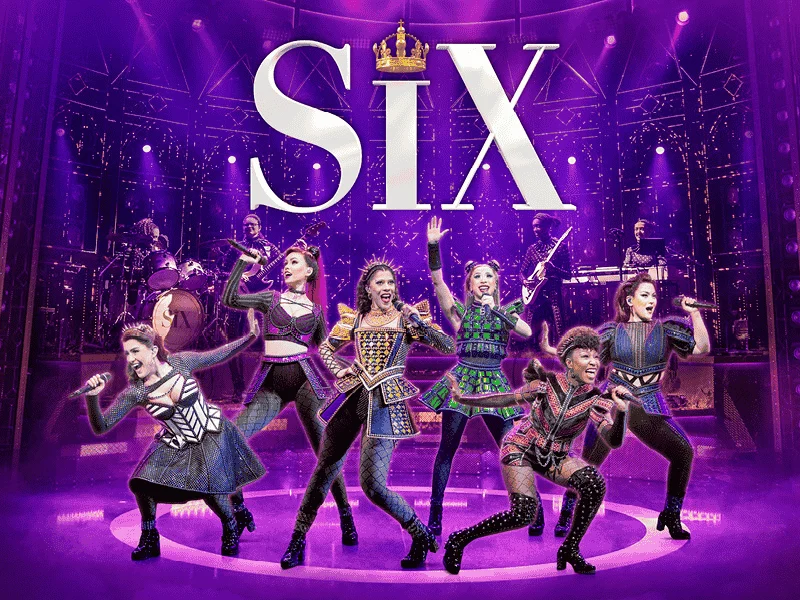
A theatre outing gives a group an easy rhythm. Meet for a drink, settle into the show, then share first impressions afterwards. Nobody has to carry a conversation for three hours, yet there is always something to talk about when the curtain comes down.
This is particularly helpful for solo attendees. Rather than buying one ticket and hoping to make plans around it, you can join an organised evening where the social side is part of the experience. A well-chosen musical, comedy or drama can attract people with different backgrounds and ages while giving the whole group a common reference point.
At West End Outings, this is the heart of the experience: a theatre ticket is paired with the chance to meet others in a relaxed, structured setting. It is a simple way to enjoy London’s theatre scene while knowing there will be friendly faces before the show begins.
Museum late openings and gallery visits
Museums and galleries suit people who prefer a quieter kind of socialising. You can look around independently for a while, then compare favourite pieces over a coffee or drink. The pace is gentler than a party, and pauses in the conversation never feel awkward because there is plenty to notice around you.
Late openings can feel especially social without becoming overwhelming. They often include talks, music or pop-up activities, which give a gathering more shape than simply meeting in a pub. For a weekend option, daytime exhibitions followed by lunch can work just as well.
Board games, quizzes and creative workshops
An activity with a little structure can be a gift for people who find open-ended mingling tiring. Board-game evenings, pub quizzes, pottery painting and beginner craft workshops create natural moments of teamwork and conversation. You do not need to arrive with a topic prepared.
The trade-off is that these events can become cliquey if teams are fixed in advance or regulars dominate the room. A thoughtful organiser mixes up groups, explains the format clearly and makes sure newcomers are invited into a table or team. A little hosting goes a long way.
Walking groups and local day trips
Walking side by side can make conversation feel easier than sitting opposite someone at a table. A city walk, park stroll or coastal day trip gives people a shared route and plenty of opportunities to speak to different members of the group. It is also often more affordable than a full evening out.
These activities need practical planning. State the distance, terrain, meeting point, expected finish time and whether people should bring food or waterproofs. Not everyone wants a strenuous hike, so short, accessible routes and a café stop can make the event more inclusive than an ambitious all-day trek.
Supper clubs and themed meals
Food has a way of slowing an evening down. A supper club, brunch or themed dinner works well for people who enjoy conversation and want time to get to know others beyond a quick hello. Shared tables can turn a simple meal into a memorable social occasion.
It helps to be upfront about cost, dietary requirements and whether guests order separately. Smaller groups usually make it easier for everyone to be heard, while bigger dinners can be better for those who enjoy circulating. Neither is automatically better – it depends on whether the aim is depth of conversation or meeting lots of new people.
Why structured socials are easier than starting from scratch
When you arrange a night out alone, there are several hurdles: choosing an activity, booking it, persuading people to come and managing the last-minute cancellations that can leave you sitting on a ticket. Group socials remove much of that friction. The plan already exists, and everyone attending has chosen it for a similar reason.
Structure also makes the social element less mysterious. A clear arrival time, a host and a shared activity signal that it is perfectly normal to introduce yourself. You do not have to guess whether a group wants company or feel guilty about coming on your own.
That does not mean every event will lead to instant best friends. Some conversations will stay brief, and not every group will match your energy. The value is in giving connection a regular place in your diary. Familiar faces become easier to approach at the next outing, and friendship often builds through repeated, low-pressure encounters rather than one perfect evening.
How to choose the right LGBTQ+ social group
Start with the atmosphere you want, not just the activity. If you are new to group events, look for hosts who explain what will happen and where to find them. A pre-event message, visible organiser and planned meeting point are useful signs that people will be looked after.
Consider the size of the group too. Larger events offer more people to meet and can feel anonymous in a reassuring way. Smaller groups make deeper chats more likely, but may feel more intimate at first. If you are unsure, a theatre evening or creative activity often provides the best middle ground: enough shared focus to keep things comfortable, with time to talk around it.
It is also worth checking the practicalities before you commit. Think about travel home, the venue’s accessibility, the cost beyond the ticket or booking fee, and whether the timing suits your energy levels. An event is more likely to be enjoyable when you are not worried about rushing across town or stretching your budget.
A few ways to make your first outing feel easier
Give yourself permission to arrive a few minutes early. It is often easier to say hello while a group is still gathering than to join after everyone has settled. If you see the organiser, introduce yourself and mention that it is your first time. A good host will help make that first connection.
Choose one small goal instead of putting pressure on the night. You might aim to learn two names, have one proper conversation or simply enjoy the show and stay for a drink afterwards. That is enough. You are not auditioning for a friendship group.
And if a particular event is not your scene, do not take it as a verdict on social groups altogether. Try a different format, time of day or group size. Finding your people can be gradual, but shared experiences give it somewhere warm and welcoming to begin.